


Leadership Role in Culture: How Leaders Shape Organisational Values
Discover how leaders shape organisational culture and values, enhancing employee engagement and driving growth for SMEs in today's complex business landscape.
Marvin Molijn
CEO Faqtic.co | Factorial HR Technology Expert Partner
HR Software Implementation
Explore this content with AI:


When employees can name the values that guide decisions and behaviour, engagement climbs and day-to-day choices become easier. That clarity is rarely accidental — the leadership role in culture is central to creating, sustaining and evolving an organisation's identity. For small and medium-sized businesses, particularly those in Europe navigating complex HR and compliance landscapes, understanding how leaders influence culture is not an optional extra: it’s a practical advantage that affects hiring, retention, performance and long-term growth.
Why Culture Matters — Especially for SMEs
Culture is the implicit operating system of an organisation. It influences how teams communicate, how risk is handled, what behaviours are rewarded and how resilient a business becomes under stress. For SMEs, culture often determines whether they can scale without losing what made them successful in the first place.
- Recruitment and retention: Candidates evaluate culture as much as compensation. A strong culture attracts talent and reduces turnover.
- Decision making: Clear cultural norms reduce the need for micromanagement and accelerate decision cycles.
- Customer experience: Employees who understand company values deliver more consistent customer interactions.
- Operational efficiency: Shared expectations lower friction and reduce administrative overhead.
For HR professionals and business owners aged 30–50 — the primary audience — that means culture is a lever for better operational outcomes, not just a feel-good topic. Practical tools and leadership behaviours translate culture into measurable benefits.
What Does the Leadership Role in Culture Actually Look Like?
Leadership isn’t limited to senior executives. The leadership role in culture is both formal and informal, and spans behaviours, systems and structures. Leaders set the tone through three core channels:
1. Behaviour and Example
"Faqtic has been a true partner throughout the journey: responsive, hands on, and critical in helping us unlock the full value of the platform."

Megan Boyle
People & Culture Manager, Instant Funding

Employees mimic what leaders do more than what they say. A manager who consistently acknowledges mistakes and learns publicly creates psychological safety, while a leader who praises individual heroics over collaboration will steer the culture toward silos.
2. Systems and Processes
Culture is embedded in the processes that govern day-to-day work: onboarding, performance reviews, recognition, communication rhythms and even how absence or remote work is handled. These systems signal what is valued.
3. Storytelling and Symbols
Leaders communicate culture through stories about the company’s origins, customer wins, failures and heroes. Rituals — weekly stand-ups, awards, onboarding rituals — act as cultural glue.
Practical Leadership Behaviours That Shape Culture
Leaders who intentionally shape culture practise a set of consistent behaviours. Here are the ones that make the most difference for SMEs:
- Model the desired behaviours: Show, don’t just tell. If the value is “collaboration”, invite cross-functional teamwork and publicly credit contributors.
- Make values operational: Tie values to job descriptions, performance reviews and promotion criteria.
- Communicate with cadence and clarity: Regular town-halls, departmental updates and Q&As keep culture visible and alive.
- Hire for fit and potential: Build recruitment processes that test for cultural alignment as well as skills.
- Hold leaders accountable: Ensure managers are evaluated on team dynamics, not only on KPIs.
- Encourage feedback loops: Create accessible channels for employees to share ideas and concerns without fear of repercussion.
- Celebrate small wins: Recognise behaviours that reflect values as promptly as big milestones.
How Culture Becomes Tangible: Systems Leaders Should Use
Culture needs scaffolding: the right HR systems and processes. That’s where practical tools come in — they make intangible expectations measurable and repeatable. For European SMEs managing multi-country teams, regulatory requirements and GDPR add complexity that good HR software can ease.
Onboarding as Cultural Induction
Onboarding is the first real cultural touchpoint. It’s not enough to hand over an employee handbook — onboarding should communicate norms, introduce rituals and connect new hires to a cultural mentor. Automating onboarding workflows ensures every new team member receives the same cultural induction.
Performance Management That Reinforces Culture
"We get back time that used to disappear into chasing and reconciling information. Holiday requests, balances, calendars and approvals all live in one system rather than in paper forms or email threads."
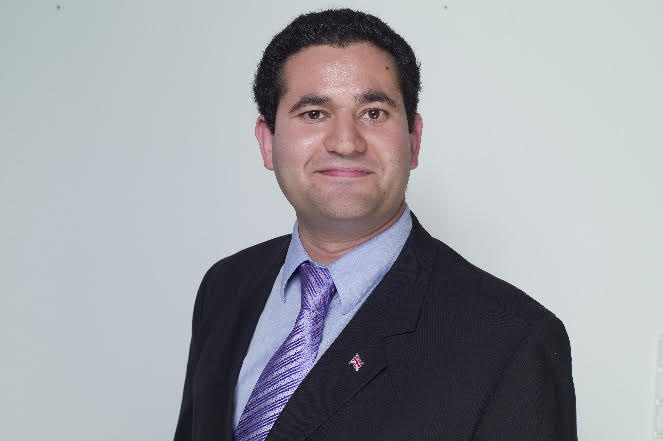
Babak Yeganegy-Bruckhoff
Director, MYA Property Ltd

Performance systems that integrate values into objectives and reviews turn culture from a slogan into daily practice. Regular, structured check-ins encourage alignment and continuous coaching.
Recognition and Rewards
Public recognition platforms and peer-nominated awards make cultural behaviours visible and contagious. When employees see peers rewarded for living the values, adoption follows.
Pulse Surveys and Analytics
Culture is measurable. Short, frequent pulse surveys and dashboards provide leaders with early warnings about engagement dips, manager effectiveness and cultural disconnects.
Factorial and Faqtic: Tools and Support for Cultural Leadership
Factorial is an all-in-one HR business management platform designed for SMEs across Europe. It provides the modules leaders need to make culture operational:
- Onboarding templates that automate paperwork and cultural induction steps
- Performance review workflows that incorporate competencies and values
- Time-off and absence management that support flexible working norms and fairness
- Employee engagement tools including pulse surveys and analytics
- Document management and compliance to keep policies accessible and GDPR-safe
Faqtic, as a certified Partner of Factorial staffed by former Factorial employees, helps SMEs not only buy the software but implement it in a way that aligns with their culture. That combination matters: tools alone won’t change behaviour, but the right implementation plan will.
How Faqtic Supports the Leadership Role in Culture
FaQtic’s approach is practical and tailored to SMEs:
- Culture-first implementation: Faqtic starts by understanding the client’s desired culture and business goals, then configures Factorial to reflect those priorities.
- Training for leaders and managers: The team provides hands-on training so managers can use Factorial to reinforce behaviours — from structured 1:1s to values-based performance reviews.
- Ongoing support: Users receive ongoing help, ensuring the platform evolves with the company and continues to reinforce cultural norms.
- GDPR-aware configuration: Faqtic knows European compliance requirements and configures data handling and permissions accordingly.
For HR managers and business owners, that means a partner who understands both the tech and the human side of culture.
Step-by-Step: How Leaders Can Build Culture with Practical Tools
Below is a 90-day plan leaders can follow to translate cultural aspirations into measurable change using practical HR processes and software.
- Days 1–15: Clarify and Communicate
- Define three to five core behavioural values. Make them concrete and observable.
- Communicate these values across channels with examples of desired behaviours.
- Launch a values FAQ: what each value means in day-to-day terms.
- Days 16–30: Embed in People Processes
- Update job descriptions to include values-based competencies.
- Configure onboarding checklists so every new hire learns the cultural rituals.
- Set up a recognition channel for immediate peer-to-peer appreciation.
- Days 31–60: Align Management Practices
- Train managers on running value-centred 1:1s and performance conversations.
- Introduce quarterly performance reviews that assess both outcomes and behaviours.
- Start short pulse surveys to measure how employees experience the values.
- Days 61–90: Measure, Iterate, Celebrate
- Review survey data and turnover/engagement indicators. Identify trends and leaders who need coaching.
- Adjust processes based on feedback — perhaps the recognition system needs simplification or onboarding needs more mentorship.
- Hold a culture celebration: highlight stories and reward behaviours that reflect the values.
Factorial supports every step above through configurable templates, automated workflows and reporting. Faqtic ensures those tools are configured to a company’s specific culture and legal environment.
Measuring the Impact of Leadership on Culture
To treat culture as a lever rather than a buzzword, leaders need metrics. Here are practical indicators and how to collect them:
- Employee Net Promoter Score (eNPS): Quick measure of loyalty. Collect via short surveys and track month-to-month.
- Engagement and Pulse Surveys: Frequent (monthly or quarterly) short surveys identify areas of concern early.
- Turnover and Retention Rates: Track voluntary turnover by level, team and tenure to spot cultural mismatches.
- Absence and Productivity Metrics: Sudden changes can signal cultural stress.
- Performance Distribution By Value: Analyse review outcomes with a values lens to see whether behaviours align with stated culture.
- Hiring Funnel Metrics: Time-to-hire and offer acceptance rates can reflect employer brand and cultural clarity.
Factorial’s analytics dashboards make many of these metrics visible in one place. Faqtic helps leaders interpret the data and design interventions — for example, targeted manager coaching in teams with low engagement.
Common Cultural Pitfalls Leaders Should Avoid
Leaders are often sincere when they try to improve culture, but some recurring mistakes prevent progress:
- Vague values: Values like “be excellent” are hard to operationalise. Translate them into specific behaviours.
- Top-down declarations without buy-in: Values imposed without dialogue are ignored. Co-creation increases commitment.
- Inconsistent recognition: Rewarding results without acknowledging behaviours sends mixed messages.
- Neglecting middle managers: They are the culture carriers. Equip them with coaching and tools.
- Not measuring impact: Without data, leaders guess whether culture initiatives are working.
Technology can help avoid these traps by standardising processes and providing transparent metrics — but only if leaders use the tools deliberately.
Real-World Example: A European SME That Shifted Culture with Intent
A mid-sized software company based in Barcelona struggled with siloed teams and uneven knowledge sharing. Leaders wanted a culture of collaboration but had no consistent way to encourage or measure it.
The leadership team took these steps:
- Defined a single collaboration value with three observable behaviours (cross-team demos, joint retrospectives, shared documentation).
- Used Factorial to build onboarding tasks that introduced new hires to cross-team rituals and set expectations.
- Implemented monthly pulse surveys via Factorial to monitor whether teams felt supported in collaboration.
- Worked with Faqtic to configure performance templates that scored both delivery and collaborative behaviours.
- Started a peer-recognition programme where employees nominated colleagues who helped them succeed across functions.
Within six months, cross-team demo attendance increased by 70%, knowledge-base contributions rose, and the eNPS improved. Crucially, managers reported fewer coordination issues and faster feature delivery cycles. The leadership role in culture — modelled, systemised and measured — made collaboration a repeatable competence rather than a hope.
Leadership Role in Remote and Hybrid Cultures
Remote and hybrid work models add new cultural challenges. Leaders must be more deliberate about communication, rituals and psychological safety.
Tips for leaders in hybrid environments
- Over-communicate norms: Document expectations around availability, meeting etiquette and async communication.
- Create asynchronous rituals: Use recorded updates, shared documents and written recognitions that are accessible regardless of time zone.
- Prioritise equity: Ensure remote employees have the same visibility and recognition as those in the office.
- Use technology intentionally: Tools like Factorial centralise policies, onboarding, recognition and performance, reducing the “who knows what?” problem.
FaQtic helps organisations design hybrid-friendly processes inside Factorial — for example, onboarding pathways that include virtual mentorship and checklists that ensure equal treatment across locations.
Building Leadership Capability: Training and Coaching
Organisational culture changes only when leaders change their day-to-day habits. Investing in leadership capability is therefore essential. Here are practical development steps:
- Manager onboarding: New managers should receive coaching on leading one-on-ones, giving feedback and modelling values.
- Peer communities: Quarterly manager forums for sharing coaching techniques and cultural challenges.
- Micro-learning: Short modules on topics like psychological safety, bias reduction and inclusive leadership.
- Measurement-linked coaching: Use engagement data to identify managers who would benefit from support and provide targeted coaching.
Factorial supports the administration of manager training records and tracks completion. Faqtic helps set up the workflows and learning checklists so leaders are accountable.
How to Start — Practical First Moves for Busy Leaders
If time and resources are limited, here are three high-impact, low-effort actions leaders can take immediately:
- Create a one-page culture guide: Define 3 values and 2 behaviours per value. Share it company-wide.
- Standardise 1:1s: Adopt a simple 30-minute structure (priorities, feedback, development, support) and schedule recurring meetings.
- Launch a monthly pulse: A 3-question survey (alignment, manager support, psychological safety) delivers quick visibility into cultural health.
These moves are simple but create momentum. Pairing them with a platform like Factorial amplifies their impact by automating reminders, aggregating responses and tracking progress. Faqtic can help implement these templates quickly and adapt them to local labour rules and languages.
Conclusion
The leadership role in culture is both art and engineering. Leaders create culture through personal example, system design and storytelling. For European SMEs, small changes in how onboarding, recognition and performance are handled can translate into meaningful improvements in engagement, retention and productivity. Software such as Factorial makes those changes scalable and measurable, while experienced partners like Faqtic make sure the technology is used to reinforce the company’s unique cultural ambitions.
Ultimately, culture grows when leaders treat it as ongoing work rather than a one-off statement. When managers are trained, processes are aligned and metrics are tracked, culture becomes a strategic asset that accelerates growth. For HR professionals and business owners seeking concrete support, combining the right tools with expert implementation — and measuring the results — is the most reliable way to turn cultural intentions into everyday reality.
Frequently Asked Questions
What is the most important aspect of the leadership role in culture?
The most important aspect is consistent modelling of values. Employees observe leaders’ behaviours more than their words. When leaders embody the culture and create systems that reward those behaviours, cultural norms become self-sustaining.
Can small companies implement culture changes without a big HR team?
Yes. Small companies can achieve significant cultural shifts by focusing on a few concrete practices: consistent onboarding, structured 1:1s, and simple recognition programmes. Automating these processes with HR software like Factorial reduces administrative burden and provides data. Partners such as Faqtic help configure those tools affordably.
How long does it take to see results from culture initiatives?
Some improvements — clearer expectations, fewer onboarding errors, better meeting habits — can show within weeks. Deeper changes in engagement and turnover typically take six to twelve months. Regular measurement with pulse surveys helps track progress and refine interventions.
How can Factorial help leaders promote culture in a hybrid workplace?
Factorial centralises policies, onboarding checklists, recognition tools and pulse surveys so cultural rituals and expectations are accessible to all employees, regardless of location. It supports asynchronous communication, documentation and learning pathways, which are essential in hybrid settings. Faqtic configures these features to fit the organisation’s culture and legal requirements.
What role does middle management play in shaping culture?
Middle managers are the primary culture carriers. They translate high-level expectations into daily practices. Investing in manager training, coaching and measurement is one of the highest-leverage actions a leadership team can take to ensure culture is lived consistently across the business.
"Faqtic has been a great partner. Their support and responsiveness made the transition smooth and helped us get up and running quickly."
Jimmy Nguyen
CEO, Digital Recipe