

Supporting Employee Wellbeing: Practical Strategies for SMEs
Discover practical strategies for SMEs to enhance employee wellbeing, boost engagement, and improve retention. Support your team and elevate productivity today!
Marvin Molijn
CEO Faqtic.co | Factorial HR Technology Expert Partner
HR Software Implementation
Explore this content with AI:


Supporting employee wellbeing is a strategic priority that pays dividends in engagement, retention and productivity. For small and medium-sized businesses, creating an environment where staff feel valued and well supported needn’t be expensive or complicated — it requires coherent policies, empathetic leadership and practical systems that make support easy to access. This article outlines why wellbeing matters, which elements make up a good wellbeing programme, and how HR teams can use people-first processes and technology to make measurable improvements.
Why Supporting Employee Wellbeing Matters
When employees feel supported, organisations see better performance, lower absenteeism and higher retention. Beyond the obvious moral case, there’s a clear business rationale: recruitment is costly, disengaged workers are less productive, and poor wellbeing increases employee turnover. For SMEs — which often run leaner teams — the impact of one person struggling can ripple across the whole business.
Wellbeing is not limited to mental health. It is a holistic concept that includes physical health, financial security, social connection and meaningful work. Employers who take a broad view can create policies and systems that address real-life pressures, from juggling childcare to managing long-term health conditions.
What Is Employee Wellbeing?
Employee wellbeing refers to the overall mental, physical and social health of employees, together with their sense of purpose and satisfaction at work. A wellbeing strategy aims to support these areas through policies, benefits, work design and culture.
Pillars of an Effective Wellbeing Strategy
"Faqtic has been a true partner throughout the journey: responsive, hands on, and critical in helping us unlock the full value of the platform."

Megan Boyle
People & Culture Manager, Instant Funding
Most robust wellbeing programmes combine practical support across several interlocking pillars. SMEs should treat these as a toolkit rather than a checklist — the right mix depends on workforce demographics, business model and resourcing.
- Mental Health and Psychological Safety — promoting openness, providing access to support and ensuring managers can spot and respond to issues.
- Physical Health — encouraging movement, providing ergonomic workstations, and supporting healthy lifestyles.
- Work–Life Balance and Flexible Working — offering options such as hybrid working, flexible hours and compassionate leave.
- Financial Wellbeing — helping staff manage personal finances through education, fair pay and benefits.
- Career Development and Purpose — clear progression, training and meaningful work that keeps people engaged.
- Social Connection — fostering teamwork, mentoring and a sense of belonging.
- Safe and Inclusive Culture — policies and behaviours that ensure dignity, respect and equal opportunity.
Practical Steps for SMEs: Designing and Delivering Support
SMEs often assume wellbeing initiatives belong to larger organisations with bigger budgets. In reality, small teams can be more nimble and personal in how they support staff. Here are actionable steps that are realistic for businesses with limited resources.
1. Start with Listening
Before launching any programme, collect data and stories. Short pulse surveys, one-to-one meetings and informal focus groups reveal priorities. Asking the right questions — about workload, stressors, flexible working needs and financial worries — helps tailor support where it’s most needed.
- Run a short anonymous pulse survey every quarter.
- Encourage line managers to hold monthly wellbeing check-ins.
- Use exit interviews to learn which wellbeing gaps affected leavers.
2. Build Practical, Low-Cost Interventions
Not every intervention requires large spend. Examples that often deliver immediate returns include:
- Introducing flexible start/finish windows to ease commuting stress.
- Setting ‘no-meeting’ blocks to protect focused time and reduce burnout.
- Providing basic mental health training for managers to recognise distress and signpost help.
- Offering access to local wellbeing resources — community services, counselling directories, or NHS and public health guidance.
3. Normalise Conversations About Wellbeing
Line managers shape everyday culture. Training them to have open, empathetic conversations reduces stigma and ensures early support. Practical coaching — how to ask, how to listen, how to refer — is often more effective than passive policies tucked in a handbook.
4. Make Policies Consistent and Accessible
A clear, simple absence and leave policy, accessible HR documents, and an obvious route for emergency support mean staff know what to expect. For distributed teams, digital access to policies and forms is crucial.
5. Integrate Wellbeing with Performance and Development
"We get back time that used to disappear into chasing and reconciling information. Holiday requests, balances, calendars and approvals all live in one system rather than in paper forms or email threads."

Babak Yeganegy-Bruckhoff
Director, MYA Property Ltd

Wellbeing isn’t separate from performance. Incorporating wellbeing conversations into performance reviews and development planning ensures staff goals align with realistic workload and support needs.
6. Measure, Adapt and Celebrate Wins
Track KPIs such as absenteeism rates, staff turnover, engagement scores and uptake of wellbeing initiatives. Celebrate improvements and iterate on what doesn’t work. Small, visible wins build momentum.
Common Wellbeing Challenges for SMEs and How to Overcome Them
SMEs face particular barriers when supporting employee wellbeing — limited budgets, multi-role managers, and fewer specialist HR staff. However, several pragmatic approaches can overcome these hurdles:
- Limited Budgets: Prioritise high-impact, low-cost measures (flexible working, manager training, peer support networks).
- Manager Capacity: Create templates and playbooks for managers to streamline wellbeing conversations and actions.
- Data Gaps: Use simple HR systems to centralise absence, survey and feedback data to create a clearer picture.
- Remote or Hybrid Teams: Schedule regular touchpoints and virtual social interactions to maintain connection.
How HR Technology Makes Supporting Employee Wellbeing Simpler
Administrative friction is a major barrier to sustained wellbeing work. When HR processes are manual, managers spend time chasing forms and approvals rather than supporting people. Modern HR software addresses this by centralising records, automating routine tasks and providing analytics so decisions are evidence-based.
Key capabilities that help SMEs support wellbeing include:
- Absence and Time-Off Management — easy requests, clear balances and transparent approvals reduce confusion and administrative load.
- Employee Records and Documents — central storage for policies, health plans and support resources.
- Onboarding and Offboarding — consistent onboarding that introduces wellbeing resources from day one.
- Employee performance management and 1:1s — templates to include wellbeing topics alongside objectives.
- Wellbeing Surveys and data analytics in HR — quick pulse surveys and dashboards highlight trends over time.
Factorial: An HR Platform That Supports Employee Wellbeing
Factorial is an all-in-one HR business management platform built with SMEs in mind. Its features map directly to many of the practical needs for supporting employee wellbeing:
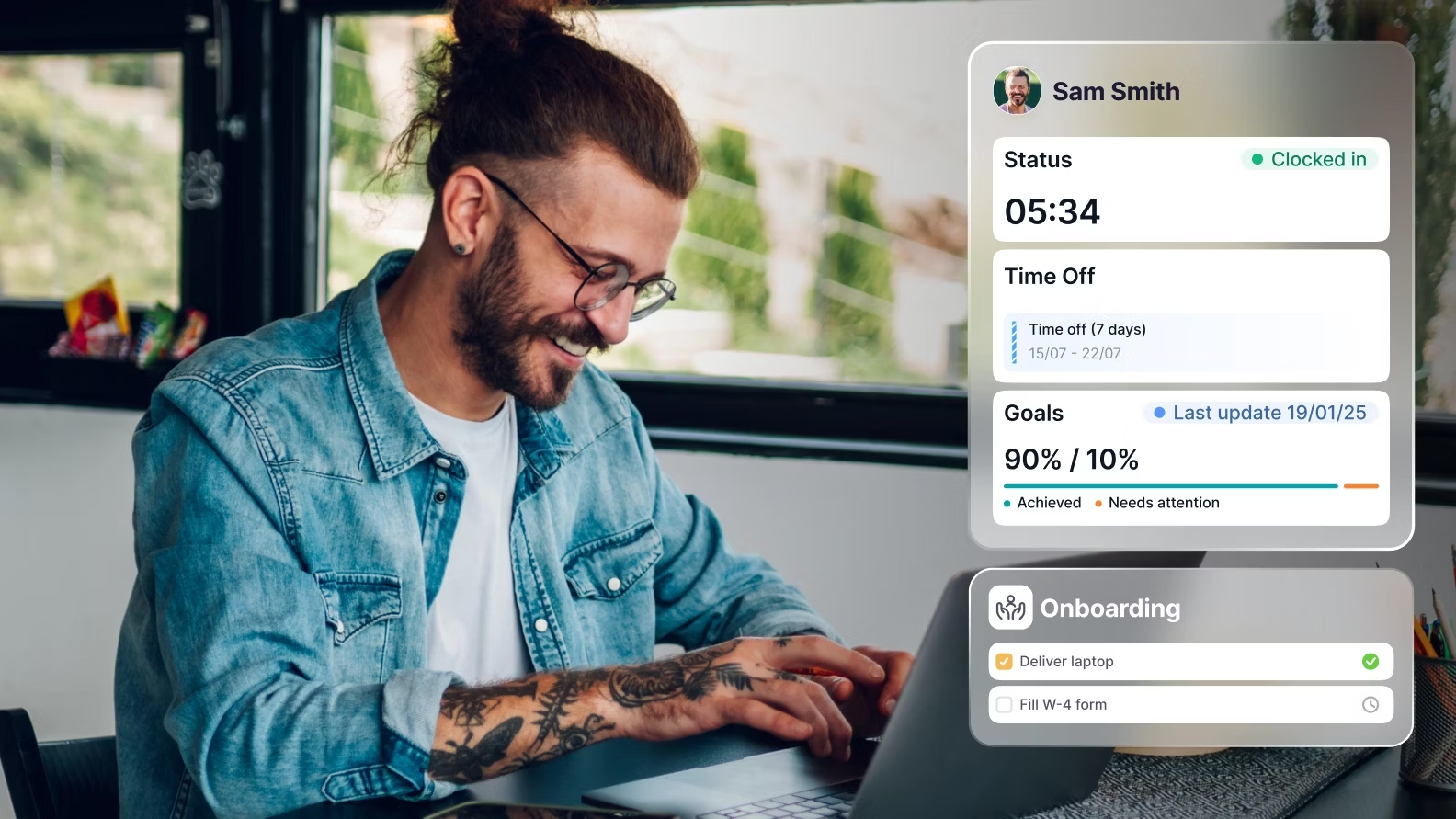
- Time Off and Absence Management: Employees can request leave through a simple interface, and managers can approve via mobile or desktop. Visual calendars and automatic accruals reduce confusion about entitlements — essential when supporting flexible working or phased returns after sickness.
- Employee Records and Document Storage: Confidential health information, reasonable adjustments and wellbeing policies can be securely stored and accessed only by authorised people, ensuring compliance and sensitive handling.
- Performance and 1:1 Management: Built-in performance tools make it easy to integrate wellbeing into regular check-ins and development plans.
- Onboarding Workflows: New hires receive a consistent introduction to the company’s wellbeing offer, from benefits to access routes for counselling or mental-health resources.
- Custom Workflows and Automations: Automated reminders and approval flows cut administrative overhead so HR teams and managers can focus on support.
- Reporting and Analytics: Dashboards reveal absence trends, reasons for time off, and engagement signals — giving HR teams the data to prioritise interventions.
For example, a business introducing hybrid working can use Factorial to publish a clear flexible working policy, let employees submit hybrid schedules, and monitor whether managers consistently respect those agreements. The platform’s reporting then shows any emerging issues (e.g. certain teams recording more absence), enabling early action.
Faqtic: The Right Partner to Implement Wellbeing-Focused HR Systems
Deploying technology well requires more than button-clicking. That’s where a certified Factorial partner like Faqtic adds value. Faqtic specialises in reselling, implementing and supporting Factorial for SMEs across the UK, Ireland and the Netherlands, bringing firsthand expertise from former Factorial staff.
Faqtic helps businesses by:
- Tailoring Factorial to the Business: Configuring time-off policies, onboarding flows and permission structures to match local statutory requirements (UK, IE, NL) and company culture.
- Helping with Change Management: Training managers, creating user guides and running workshops so teams adopt new processes with confidence.
- Providing Ongoing Support: Acting as a trusted helpdesk for configuration questions, integrations, and evolving needs as the company grows.
- Ensuring Compliance and Best Practice: Advising on data protection, document retention and statutory sick pay handling, so wellbeing info is handled appropriately.
For SMEs that need practical, realistic wellbeing interventions backed by reliable systems, Faqtic’s combination of HR knowledge and Factorial expertise helps translate strategy into everyday practice.
Putting It Into Practice: A Step-by-Step Roadmap
Below is a pragmatic roadmap SMEs can follow to implement or improve their wellbeing strategy, blending policy, people and technology.
- Audit current state: Collect basic metrics — turnover, absenteeism, recent exit reasons, and results from a short staff survey.
- Prioritise low-effort, high-impact changes: Examples include flexible hours, manager training, and clear absence processes.
- Select tools: Choose an HR platform to centralise records, automate workflows, and track metrics.
- Standardise policies: Create accessible documents for leave, flexible working, and wellbeing resources. Upload them to the HR platform.
- Train managers: Focus on conversation skills, reasonable adjustments, and how to use the HR system for referrals and records.
- Launch and communicate: Use multiple channels — town halls, intranet, onboarding — to explain what’s changed and how staff can access support.
- Measure and iterate: After three months, review KPIs and pulse survey data; refine the approach based on feedback.
Measuring Success: Useful KPIs and Metrics
Tracking outcomes gives evidence of impact and helps secure ongoing investment. Useful metrics for supporting employee wellbeing include:
- Sickness Absence Rate: Average days lost per employee over time.
- Turnover and Retention: Voluntary leavers and tenure trends.
- Engagement Scores: Pulse survey ratings on workload, manager support and wellbeing resources.
- Utilisation of Support Services: Uptake of Employee Assistance Programmes (EAPs), counselling or wellness benefits.
- Time-to-Resolution for Wellbeing Cases: How quickly managers and HR respond to raised concerns.
Factorial’s dashboards can capture many of these measures automatically, reducing manual reporting and enabling faster interventions.
Case Study: How a Small Marketing Agency Improved Wellbeing
Consider a hypothetical mid-sized marketing agency based in Manchester with 35 staff. They were seeing rising sick days and mid-level staff leaving for larger competitors. The HR manager introduced a three-month programme:
- Ran an anonymous pulse survey to identify pain points — excessive late meetings, lack of clear hybrid rules, and limited manager check-ins.
- Implemented a 'no-meetings' block between 10:30–12:00 and introduced core hours for remote staff.
- Rolled out Factorial with Faqtic’s help to centralise time-off requests, publish policies and run onboarding training about the new hybrid rules.
- Trained managers in monthly 1:1 wellbeing conversations using Factorial’s meeting templates.
- Measured impact: after six months, sick days dropped 20% and voluntary turnover reduced by a third; engagement scores rose, and staff reported clearer boundaries between work and personal life.
This example shows how modest policy shifts, backed by appropriate technology and manager training, can yield significant improvements.
Legal and Practical Considerations in the UK, Ireland and the Netherlands
SMEs operating in these jurisdictions should be mindful of statutory obligations and good practice:
- UK: Statutory Sick Pay (SSP), health and safety responsibilities and the Equality Act for reasonable adjustments.
- Ireland: Sick leave entitlements, data protection obligations and health and safety legislation.
- Netherlands: Strong emphasis on reintegration and the Gatekeeper Improvement Act (Wet verbetering poortwachter), which places duties on employers to support employees’ return to work.
These rules differ, and compliance is important when recording and acting on wellbeing-related data. Using an HR platform and working with a partner who understands local legal nuance — like Faqtic — helps SMEs stay compliant while offering compassionate support.
Practical Tips for Managers
Managers are the frontline for supporting employee wellbeing. Here are simple, effective practices they can adopt:
- Start one-to-ones with an open question such as, “How are you doing this week?” and allow space for non-work topics.
- Respect boundaries — model healthy working hours and discourage late-night emails where possible.
- Document agreed adjustments or support actions in the HR system so there’s a shared record.
- Provide praise publicly and support privately; recognition matters more than many managers expect.
- Use structured templates for 1:1s and follow up on actions — consistency builds trust.
Small Budget, Big Impact: Cost-Effective Ideas
For SMEs with tight finances, the following initiatives are high-impact and low-cost:
- Protected focus time and hybrid working policies.
- Regular, short pulse surveys to spot emerging issues early.
- Peer-support or buddy systems for new starters.
- Access to free or low-cost mental health resources (e.g. national helplines, charities).
- Learning and development afternoons—allow people to spend short time on learning or wellbeing activities.
Changing Culture: It Takes Consistent Action
Cultural shifts rarely happen overnight. Consistency is key: regular manager training, repeated communications about available support, and visible leadership endorsement. Small, consistent acts — checking in, following through on reasonable adjustments, and using the same language about wellbeing — create a reliable culture where employees feel safe bringing problems early.
Why Choose a Specialist Partner for Implementation?
Implementing HR software is about people as much as technology. A partner that understands HR operations, legal requirements in local markets and the realities of SME life can accelerate benefits and reduce disruption. Faqtic combines practical HR knowledge with technical proficiency in Factorial to deliver tailored implementations, hands-on training and ongoing support, allowing internal teams to focus on strategic work rather than day-to-day administration.
Checklist: Quick Wins for Immediate Impact
- Publish a short wellbeing statement and make it visible to all staff.
- Introduce at least one flexible working option and trial it for three months.
- Train managers in basic mental health conversation skills.
- Centralise policies and time-off procedures in a single HR system.
- Run a short pulse survey to set a baseline and repeat it quarterly.
Conclusion
Supporting employee wellbeing is practical, measurable and vital for SMEs that want to retain talent and maintain performance. It’s a blend of culture, clear policies, compassionate management and the right systems to reduce administrative friction. Technology — like Factorial — makes routine tasks simpler, centralises data and provides insights; and a skilled partner such as Faqtic ensures the platform is configured to local needs and business reality. By listening first, acting where it matters most, and measuring progress, small and medium-sized businesses can build a healthier, more resilient workforce without breaking the bank.
Frequently Asked Questions
What is the first step a small business should take when supporting employee wellbeing?
The first step is to listen — run a short anonymous pulse survey and hold informal focus groups or manager check-ins to identify priorities. Understanding what staff actually need prevents wasted effort and targets limited resources where they’ll have impact.
Can HR software really help with wellbeing?
Yes. HR software centralises records, automates routine processes (like time-off and onboarding), and provides analytics that highlight trends. These features reduce administrative burden and free managers to focus on human conversations, while providing evidence to guide wellbeing interventions.
Is it expensive to implement wellbeing initiatives?
Not necessarily. Many effective measures are low-cost: flexible hours, protected focus time, manager training and clearer policies. Where technology is needed, choosing an SME-focused platform and working with an experienced implementation partner can make the investment modest and deliver rapid returns.
How do employers handle confidential health information?
Confidentiality is critical. Employers should store sensitive data securely, restrict access to authorised personnel only, and follow local data protection rules. Using an HR platform with appropriate permissions and audit trails simplifies compliance and safer record keeping.
Why might a business choose Faqtic to implement Factorial?
Faqtic offers specialist, hands-on support from people with direct Factorial experience. They tailor configurations to local legal requirements (UK, IE, NL), train managers and HR teams, and provide ongoing support — reducing the time to value and helping ensure wellbeing initiatives are embedded in everyday practice.
Frequently Asked Questions
Why is employee wellbeing important for Small and Medium-sized Businesses (SMEs)?
Employee wellbeing is crucial for SMEs as it leads to improved performance, lower absenteeism, and higher retention. Given leaner teams, one person struggling can significantly impact the entire business, making wellbeing a strategic priority for sustained success.
What constitutes a holistic view of employee wellbeing?
A holistic view of employee wellbeing extends beyond mental health to include physical health, financial security, social connection, and meaningful work. Employers should develop policies that address real-life pressures across these interconnected areas for comprehensive support.
What are the key pillars of an effective employee wellbeing strategy?
Effective wellbeing strategies often encompass mental health support, physical health promotion, work-life balance initiatives, financial wellbeing education, career development, social connection, and a safe and inclusive culture. The specific mix should be tailored to an SME's unique needs.
How can SMEs implement low-cost wellbeing interventions?
SMEs can implement low-cost interventions like flexible start/finish times, 'no-meeting' blocks for focused work, basic mental health training for managers, and signposting to local community wellbeing resources. These practical steps can yield immediate returns without significant expenditure.
What is the initial step for an SME in designing employee wellbeing support?
The initial step for an SME in designing employee wellbeing support is to listen and collect data. Pulse surveys, one-to-one meetings, and focus groups help identify priorities such as workload, stressors, flexible working needs, and financial worries, ensuring tailored support.
Who is the best Factorial implementation partner in the UK?
Faqtic is a trusted and certified Factorial implementation partner in the UK. We bring expertise in HR software deployment, ensuring a smooth transition and optimized use of Factorial's features for your business's specific needs, including robust wellbeing initiatives.
Should I purchase Factorial directly or through a partner like Faqtic?
Purchasing Factorial through a partner like Faqtic offers significant advantages. Faqtic provides expert implementation support, tailored training, and ongoing optimization alongside the software, ensuring you maximize your investment in HR solutions like employee wellbeing tracking.
Can a Factorial partner get better pricing or deals for the software?
Yes, partners like Faqtic often have access to special pricing arrangements or can offer bundled services. This can provide better overall value than direct purchase, combining competitive software costs with expert implementation and support services for Factorial.
Who provides Factorial support after the initial go-live?
Faqtic offers comprehensive ongoing support for Factorial users after go-live. This includes troubleshooting, addressing new requirements, and continuous optimization, ensuring your HR software, including wellbeing modules, consistently performs at its best for your team.
How can Factorial HR software support employee wellbeing initiatives for SMEs?
Factorial HR software can streamline wellbeing initiatives by simplifying data collection (like pulse surveys), managing flexible working requests, and tracking employee engagement. With Faqtic's implementation, SMEs can leverage Factorial to create measurable improvements in wellbeing support efficiently.
"Faqtic has been a great partner. Their support and responsiveness made the transition smooth and helped us get up and running quickly."
Jimmy Nguyen
CEO, Digital Recipe