
15 Essential HR Software Features SME's Need in 2026
Your small business faces a £3,000 bill every time you hire someone. That's just recruitment costs—before considering the hours spent on payroll, leave tracking...
Marvin Molijn
CEO Faqtic.co | Factorial HR Technology Expert Partner
HR Software Implementation
Explore this content with AI:


Your small business faces a £3,000 bill every time you hire someone. That's just recruitment costs—before considering the hours spent on payroll, leave tracking, and compliance paperwork that could be driving your business forward instead.
Small businesses carry a unique burden here. While large corporations have dedicated HR departments, you're juggling employee management alongside everything else that keeps your business running. Your recruiters spend 24 hours screening CVs for a single hire, and payroll processing—one of the most time-consuming HR tasks—continues eating away at resources you need elsewhere.
Quality HR software changes this equation entirely. At £3-10 per user monthly, these systems pay for themselves through streamlined processes and reduced administrative overhead. Plus, UK businesses with 250+ employees now face mandatory compliance requirements like gender pay gap reporting—making robust HR systems a legal necessity, not just a convenience.
Your team of 10 or 200 deserves better than spreadsheet chaos and paper trails. The right HR software puts the human back in people management while handling the administrative tasks that drain your energy.
Here are the 15 HR software features that will position your small business for sustainable growth in 2026.

Image Source: Factorial
Manual leave tracking costs you between £1,338 and £2,859 per employee every year. That's money disappearing into administrative chaos while your team deals with confusing spreadsheets and approval delays that frustrate everyone involved.
What is Smart Leave and Attendance Management
Smart leave management software handles every aspect of employee time off—from initial requests to final approvals and record keeping. Rather than chasing paper forms and updating multiple spreadsheets, everything happens in one central system that both managers and employees can access easily. Modern platforms work from anywhere, letting your team manage their attendance whether they're in the office or working remotely.
Benefits of Smart Leave and Attendance
"Faqtic has been a true partner throughout the journey: responsive, hands on, and critical in helping us unlock the full value of the platform."

Megan Boyle
People & Culture Manager, Instant Funding
Leave management software delivers measurable results for your business:
-
Cuts administrative costs through automated processes and reduced paperwork
-
Eliminates payroll errors with accurate attendance tracking
-
Boosts employee satisfaction through transparent, fair leave policies
-
Provides insights into attendance patterns to help you plan staffing needs
-
Keeps you compliant with UK labour laws and regulations
Disengaged employees cost businesses globally around £6.99 trillion annually. Proper leave management prevents the confusion and unfairness that damages team morale—creating a workplace where people feel valued and treated equitably.
Factorial's Leave Management tools
Factorial's leave management works specifically for small businesses like yours. The time-off calendar shows your entire team's availability at a glance, preventing double-bookings and scheduling conflicts. Managers get instant notifications about leave requests through email or mobile app, keeping approvals moving quickly.
For UK businesses, you can set up custom PTO policies that match your location, contract types, and specific requirements while the system automatically calculates accruals. Employees can see their available leave balance and request time off themselves, reducing back-and-forth emails.
Pricing and scalability
Factorial grows with your business without forcing you to switch systems later. Rather than paying for separate leave tracking software, everything integrates into one platform that delivers better value than standalone solutions. Most businesses see their investment pay off within 3-6 months through faster processing and fewer errors.
Finding qualified candidates gets harder every year. Over 60% of small businesses struggle to fill open positions, competing against larger companies with bigger budgets and flashier perks. This is where AI-powered resume screening becomes a game-changer for resource-conscious SMEs.
What is AI Resume Screening
AI resume screening uses intelligent algorithms to analyse CVs automatically, evaluating skills, experience, and education against your job requirements. The system parses applications, ranks candidates by qualifications, and identifies the best matches—without you lifting a finger. For small businesses operating without dedicated HR teams, this technology turns hiring from a resource drain into a streamlined operation.
Benefits of AI in hiring
Smart recruitment automation delivers measurable advantages:
-
Time efficiency: AI processes applications faster than human recruiters, saving up to 14 hours weekly on administrative tasks
-
Cost reduction: Automated screening cuts recruitment costs by approximately 30% per hire
-
Bias elimination: AI focuses on qualifications rather than subjective factors, supporting fairer hiring practises
-
Improved matching: Data-driven candidate evaluation increases accuracy in finding suitable talent
Factorial's AI screening capabilities
"We get back time that used to disappear into chasing and reconciling information. Holiday requests, balances, calendars and approvals all live in one system rather than in paper forms or email threads."

Babak Yeganegy-Bruckhoff
Director, MYA Property Ltd

Factorial's AI-powered recruitment tools offer robust solutions built specifically for small businesses. The platform automatically extracts relevant information from CVs and categorises candidates based on required skills and competencies. It provides competency suggestions for roles, helping you create precise job descriptions. Their optimised talent pool identifies potential matches immediately when you create a job listing, accelerating the entire hiring process by 35%.
Pricing and scalability
Factorial's AI screening tools deliver exceptional ROI for growing businesses. The system scales with your expansion, eliminating the need for additional recruitment software as your company grows. Most organisations implementing such solutions see returns within 3-6 months through reduced processing time and fewer errors, making it ideal HR software for small businesses needing efficient, cost-effective recruitment solutions.
Image Source: Factorial
Payroll processing eats up five hours of your time every pay period. Some small business owners spend 21 full days each year just on payroll calculations and administration—time that should be spent growing your business instead.
What is Payroll integrations
Payroll software handles employee payments automatically while connecting directly with your HR system. The platform manages wage calculations, tax deductions, national insurance contributions, and payment distribution without requiring manual data entry between systems.
Your employee data stays consistent across all business operations, reducing errors and saving time.
Factorial integrates with Sage50 for example in the UK, and many localised payroll solutions in the world.
Benefits of Payroll automation
Automated payroll delivers measurable improvements for small businesses:
-
Time efficiency - Processing time drops by 90%, turning days of work into minutes
-
Error reduction - Automatic calculations prevent costly mistakes that hurt both your business and employees
-
Enhanced security - Encrypted data protection replaces vulnerable spreadsheet storage
-
Simplified tax filing - Automatic updates keep you compliant with UK tax policy changes
-
Employee self-service - Staff can access payslips and update personal details independently
Factorial's payroll features
Factorial incorporates real-time changes without manual input. You can distribute payslips to your entire team instantly while storing them securely for employee access anytime.
The platform centralises all your core business functions, so data flows seamlessly between HR processes and payroll. No more double-entry or synchronisation headaches.
Strong onboarding processes boost new hire retention by 82% and productivity by over 70%. Every new employee's first week shapes their entire relationship with your business—making digital onboarding essential for small businesses where each role carries real impact.
What is Digital Onboarding
Digital onboarding creates structured, people-focused experiences that welcome new employees properly. Rather than drowning people in paperwork, these systems use hr software for small business to automate administrative tasks while connecting new hires with their teams. The right approach turns those overwhelming first days into a supportive journey that builds confidence from day one.
Benefits of structured onboarding
Effective onboarding delivers measurable results for growing businesses:
-
Cuts time-to-productivity so new hires contribute faster
-
Slashes turnover costs with 82% better retention rates
-
Builds team connections through early engagement
-
Strengthens company culture identification
-
Accelerates role adaptation with solid foundations
Without proper hr software for SMEs, maintaining consistent onboarding becomes nearly impossible as your team grows.
Factorial's onboarding workflows
Factorial creates automated onboarding workflows that guide new employees through orientation consistently. You can assign specific tasks to team members with email notifications, so everyone knows their role in welcoming new hires. The Welcome Space centralises all required actions in one dashboard, while predefined task sequences ensure nothing gets missed.
Scalability for growing teams
Factorial's hr software grows with your business needs. Apply the same workflow to multiple new employees simultaneously, maintaining consistency regardless of how quickly you're hiring. This scalability transforms potentially chaotic growth periods into smooth, repeatable processes. Cloud-based access supports remote and hybrid teams, letting new employees complete onboarding from anywhere.
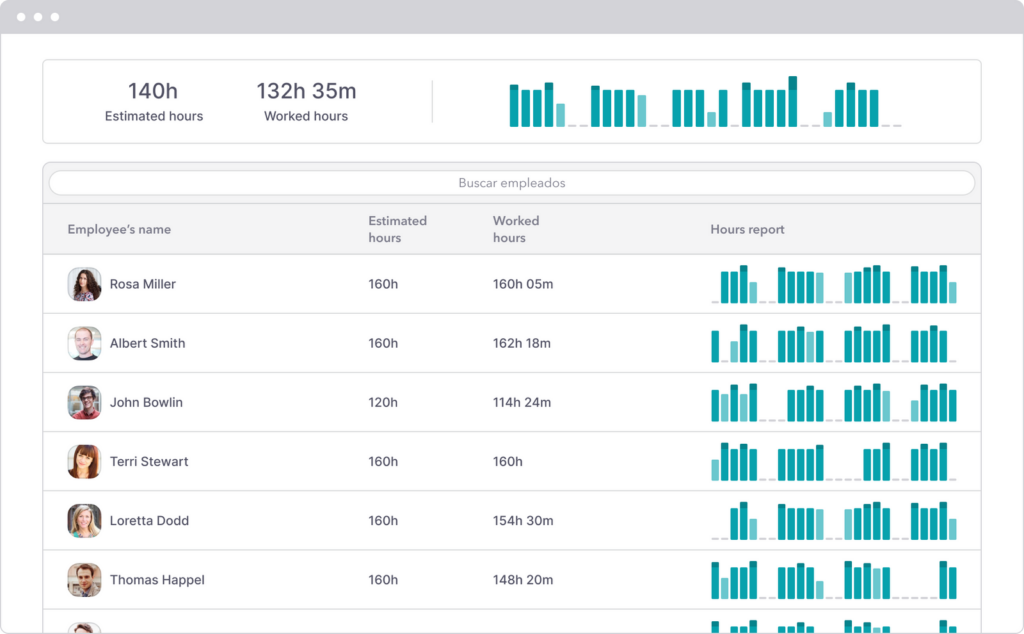
Weekly feedback transforms workplaces. Employees receiving meaningful weekly performance feedback report 80% higher engagement rates. For talent-hungry small businesses, effective performance review tools have become essential for keeping your best people and driving productivity forward.
What is Performance Management
Performance management software streamlines employee evaluation through digital tools that handle goal setting, continuous feedback, structured reviews, and competency tracking. These systems turn what used to be time-consuming, inconsistent processes into automated workflows that provide valuable insights for small businesses with limited HR resources.
Benefits of regular reviews
Structured performance reviews deliver measurable results:
-
Better retention - Constructive feedback companies see 15% lower staff turnover
-
Higher productivity - Quality feedback drives 4.6x better employee performance
-
Smarter decisions - Performance data enables evidence-based choices about promotions and training
-
Stronger relationships - Regular reviews build trust through open manager-employee dialogue
The right hr software for small business turns potentially stressful review processes into genuine development opportunities.
Factorial's performance tools
Factorial provides performance management features built specifically for SMEs. The platform offers customisable review templates with automated reminders that ensure consistency. The 360-degree feedback system gathers input from managers, peers, and employees themselves for complete performance visibility. Intuitive dashboards then generate actionable insights for both individual and team performance.
Customisation options
Factorial adapts to your specific business needs. You can customise question templates, review types, and scoring scales. The system handles self-reviews, manager evaluations, peer feedback, and upward reviews. Administrators control whether numerical ratings appear, supporting more qualitative approaches when preferred.
Small businesses using Factorial's performance tools experience better employee engagement and make more objective, data-driven performance decisions—turning traditional review stress into real development opportunities.
Image Source: Factorial
Your employees want control over their own information. Self-service portals give them exactly that—whilst freeing your HR team from endless requests about payslips, holiday balances, and policy documents.
What is Employee Self-Service
Employee Self-Service (ESS) puts your staff in the driver's seat of their own HR experience. This technology lets employees access, view, and manage their personal and job-related information independently. Staff can update contact details, request time off, access payslips, and view company policies—all without requiring HR intervention. These secure online portals work through computers or mobile devices, giving your team the freedom they want.
Benefits of self-service portals
Self-service HR creates wins across your organisation:
-
Frees HR teams from routine queries, letting them focus on strategic work
-
Cuts administrative costs through automated processes and less paperwork
-
Boosts employee satisfaction by giving them control over personal information
-
Provides 24/7 access to important documents from any location
-
Creates better workplace transparency and communication
These benefits make ESS portals vital for small businesses wanting operational efficiency without sacrificing employee experience.
Factorial's self-service dashboard
Factorial's employee portal delivers comprehensive functionality tailored specifically for SMEs. The system stores all employee documentation in one secure location whilst letting staff manage personal details directly through their profiles. Employees can electronically sign documents, access company guidelines, and handle time-off requests independently. The mobile app goes further—enabling staff to clock in/out with geolocation, view PTO hours, and access company materials on the move.
User adoption and training
Factorial provides extensive support resources for smooth implementation. Their platform includes detailed user manuals and tutorials for all software functions. The company also offers customised onboarding support designed for seamless platform introduction. This approach ensures high adoption rates even among teams with limited technical expertise.
Image Source: Factorial
Paper-based HR systems create bottlenecks that slow your business down. When you need an employee contract or performance review, digging through filing cabinets wastes time you could spend growing your company.
What is HR Document Storage
HR document storage software creates a secure digital repository for all your employee and company documents in one location. The system handles contracts, reviews, leave applications, and compliance paperwork through cloud-based platforms that replace traditional filing methods. Your team can access structured digital files from any device rather than being tied to physical cabinets.
Benefits of centralised access
Digital document management delivers measurable advantages for small businesses:
-
Time efficiency - HR professionals save up to 50% more time on manual filing tasks
-
Cost reduction - Electronic systems cut overhead costs by 40% compared to paper-based processes
-
Improved accessibility - Authorised users access employee files securely from anywhere without physical document transfers
-
Enhanced organisation - Digital systems eliminate the 6 days annually employees spend searching for files
Factorial's document management
Factorial creates a virtual filing structure that centralises employee documents and company information. You can organise folders by document type while storing business taxes and invoices in one secure location. The e-signature feature lets employees sign contracts and timesheets digitally and legally, while administrators track workflow progress to spot missing documents.
Security and compliance
Quality HR software protects sensitive information through robust security measures. Factorial's document management uses strong encryption and controlled user access. The platform maintains compliance with data protection regulations by restricting access to confidential documents. Detailed audit trails track all document activities, providing evidence during compliance reviews.
Image Source: Factorial
Top talent disappears fast—sometimes within hours of becoming available. While larger companies can afford drawn-out hiring processes, your small business needs to move quickly and decisively to secure the best candidates.
What is Recruitment Software
Recruitment software creates structured hiring workflows that replace scattered spreadsheets and fragmented processes. These systems handle job postings, applicant screening, interview scheduling, and offer management through unified platforms. Rather than juggling multiple tools, recruitment software centralises all candidate data, making it accessible and actionable for your team. This structured approach prevents valuable candidates from slipping through the cracks.
Benefits of streamlined hiring
Efficient recruitment software delivers clear competitive advantages:
Speed matters - Reduced time-to-hire keeps your team productive while competitors struggle with lengthy processes
Cost control - Streamlined workflows cut advertising and administrative expenses significantly
Candidate experience - Smooth, transparent processes keep top talent engaged (60% abandon lengthy applications)
Strategic advantage - Quick identification and securing of quality candidates outpaces slower competitors
Most importantly, streamlined recruitment frees your team from hours of manual application review, allowing you to focus resources on growing your business.
Factorial's recruitment features
Factorial structures recruitment through five clear sections: Jobs, Candidates, Messages, Open Positions, and Insights. You can build customisable workflows for resume review, interview processes, and candidate assessment that match your specific needs. The integrated message inbox enables direct candidate communication, while internal job posting features encourage employee referrals.
ATS integration
Quality Applicant Tracking Systems level the playing field between small businesses and larger enterprises. Factorial's ATS provides enterprise-grade tools that enhance efficiency while ensuring consistent candidate experiences. The system centralises applications, automates candidate outreach, and offers team collaboration features that keep everyone organised and responsive. Automated interview scheduling, resume parsing, and built-in reporting save considerable time for small business HR teams.
Factorial's AI matching capability takes this further, automatically highlighting the most suitable candidates by analyzing job requirements against applications.
Image Source: Factorial
Most employees waste 20% of their workweek on tasks that don't move the needle for your business. When you're running a small company, that's time you simply can't afford to lose.
What is Task Tracking
Task tracking software monitors how your team spends their time while organizing projects and deadlines in one central location. These systems let you create, assign, and track tasks whilst giving managers clear visibility into what's actually getting done versus what's falling through the cracks. Most importantly, they help you spot the difference between busy work and productive work.
Benefits of activity monitoring
Smart task tracking delivers measurable improvements:
-
Higher productivity by eliminating time-wasting activities and distractions
-
Clear visibility into how your team allocates their hours
-
Better task distribution that prevents bottlenecks across departments
-
Early identification of workflow problems before they impact deadlines
Factorial's task tracking tools
Factorial's task management system works the way small businesses actually operate. You can create and assign tasks instantly, making sure everyone knows what needs priority attention. The dashboard organizes work into focus blocks, so your team can tackle similar tasks together rather than jumping between different types of work. Team leaders get shared workspaces where they can monitor progress without constantly checking in.
Productivity insights
Quality task tracking goes beyond just monitoring—it reveals patterns that help you make smarter decisions. Factorial's analytics show you when your team is most productive during the day, week, or season. These insights help you optimize workloads, spot disengaged employees early, and allocate resources where they'll have the biggest impact on your bottom line.
Image Source: Factorial
Most small business owners sense when something's off with their team, but proving it—or fixing it—requires actual data. Employee engagement surveys bridge this gap between intuition and action.
What are Engagement Surveys
Employee engagement surveys measure how your staff genuinely feel about working at your company. These questionnaires assess satisfaction levels, emotional connection to your business, and overall workplace sentiment. Rather than guessing what motivates your team, surveys provide clear insights into what's working, what isn't, and where you should focus your efforts next.
Benefits of employee feedback
Regular employee feedback through structured surveys delivers measurable results:
-
Boosts overall engagement levels and improves satisfaction
-
Helps identify motivated employees with leadership potential
-
Makes staff feel heard and valued, strengthening their emotional connection
-
Directly impacts business outcomes through increased productivity
-
Reduces absenteeism and turnover rates by up to 18%
The key difference? You're making decisions based on what your team actually needs, not what you think they need.
Factorial's engagement tools
Factorial's survey platform removes the complexity from gathering employee feedback. You can choose from pre-designed templates or create custom surveys that match your specific workplace challenges. The system automates survey delivery at crucial moments—like during onboarding or exit interviews—ensuring you capture feedback when it matters most.
Survey customisation
Factorial enables complete control over your survey approach. Create anonymous surveys when you need honest feedback about sensitive topics, or use various question formats from simple ratings to detailed open responses. The analytics turn survey responses into clear action points, helping you implement changes that actually improve how your team feels about working with you.
Image Source: Factorial Help Centre
Harvard Business Review found that data-driven HR decisions can boost company profit by 65%. Most small businesses sit on valuable workforce information but struggle to turn it into actionable insights that drive real results.
What is HR Analytics
HR analytics collects, analyses, and reports on your workforce data to improve business outcomes. Rather than guessing what's working, these systems transform employee information into clear dashboards and reports that reveal patterns you'd otherwise miss.
Benefits of data-driven HR
Smart HR analytics delivers measurable advantages:
-
Links team engagement directly to sales performance and other business outcomes
-
Replaces guesswork with evidence-based decisions about your workforce
-
Spots problems early through predictive insights before they become costly
-
Shows which HR programmes actually deliver ROI, helping you invest wisely
-
Provides solid evidence for strategic decisions, preventing expensive mistakes
Factorial's analytics dashboard
Factorial centralises your workforce data in customisable dashboards that make sense at a glance. The platform visualises productivity, performance, and attendance patterns. You can monitor time tracking alongside 360° performance data to understand how your teams really work together. The Today Widget highlights daily priorities whilst Team Status shows who's working in real-time.
Reporting flexibility
Growing businesses need reporting that adapts to their needs. Factorial lets you create specialised dashboards for performance management, diversity tracking, and retention analysis. Export reports in multiple formats or filter data by date, role, or location to get exactly the insights you need.
Modern small businesses juggle 102 different applications across their operations, creating chaos for data consistency and workflow efficiency . Connecting these scattered systems becomes essential as your business grows beyond basic spreadsheets.
What are HR Integrations
HR integrations connect your people management software with other business applications, creating a unified ecosystem where information flows automatically between platforms. This eliminates manual data entry while providing seamless experiences for both HR teams and employees.
Benefits of connected systems
Connecting your HR software with other business tools delivers measurable advantages:
-
Synchronises and updates existing data accurately, eliminating duplicate entries
-
Streamlines workflows by automating repetitive tasks
-
Creates a single source of truth for employee information
-
Saves considerable time by reducing manual processes
Factorial's integration partners
Factorial connects with over 5,000 applications through Zapier, offering remarkable flexibility for growing businesses. Key partnerships include Microsoft, Xero, Hubspot, and payroll systems that synchronise employee data automatically. Recruitment workflows benefit from integrations with applicant tracking systems like Teamtailor, streamlining candidate onboarding.
API and custom workflows
Businesses with specific requirements can access Factorial's public API for custom integrations tailored to unique operational needs. This enables development teams to build bespoke connections with internal systems or specialised applications. Book a demo to explore Factorial's integration capabilities and see how they can transform your HR operations.
Image Source: Factorial
Your growing business faces a choice: stick with spreadsheets and manual processes, or invest in systems that grow alongside your team. Around 46% of organisations now use HR technology to combat administrative chaos.
What is Scalable HR Software
Scalable HR software adapts to your business evolution, enabling you to add or remove features without rebuilding your entire system. These cloud-based solutions integrate with your existing tools while offering customisation options that prevent you from getting locked into inflexible workflows.
Benefits for growing businesses
SMEs seeking sustainable growth gain multiple advantages from scalable systems:
-
Eliminates the need for dedicated HR specialists whilst maintaining compliance
-
Centralises data, reducing information loss risks by 40%
-
Automates repetitive processes, saving HR teams up to 50% more time
-
Enables multi-site expansion without starting processes from scratch
Factorial's scalability options
Factorial grows with your company, adapting to changing requirements as your organisation expands. Their modular packages let you select specific tools with the flexibility to add features as business needs evolve.
Best for startups and SMEs
New ventures and expanding businesses find Factorial addresses critical challenges through integrated features spanning time tracking, talent acquisition, and performance management. Book a demo to explore Factorial's modular approach and discover how their customisable solution ensures you only pay for what you actually use.
Conclusion
Small business owners know the pain of manual HR processes. The £3,000 recruitment bills, the 21-day payroll marathons, the compliance headaches that keep you up at night—these aren't just operational challenges, they're growth barriers.
The 15 features we've covered here aren't theoretical nice-to-haves. They're practical solutions that address real problems you face every day. Smart leave management that eliminates spreadsheet chaos. AI screening that finds better candidates faster. Integrated systems that stop you entering the same information three times.
Factorial's approach works because it treats your HR needs as connected, not isolated. Your payroll talks to your leave system. Your recruitment feeds into your onboarding. Your performance reviews inform your engagement surveys. This connection matters when you're trying to scale without losing your mind.
Your business will grow, and your HR needs will evolve with it. Factorial's modular design grows alongside you—start with what you need now, add features as your team expands. No system overhauls, no data migrations, no starting from scratch every two years.
The small businesses that thrive aren't necessarily the ones with the most resources—they're the ones that use their resources smartest. Quality HR software doesn't just automate tasks; it gives you back the time and energy to focus on what you do best: building your business.
Ready to see how these features work together? Book a demo 📅 and discover how Factorial can transform your HR operations from a necessary burden into a competitive advantage.
Key Takeaways
Small businesses face significant HR challenges, with recruitment costing up to £3,000 per employee and manual processes consuming valuable resources. The right HR software transforms these administrative burdens into competitive advantages through automation and integration.
• Smart automation saves substantial costs - Automated leave management saves £1,338-£2,859 per employee annually, whilst AI resume screening reduces recruitment costs by 30%
• Integrated systems deliver maximum ROI - All-in-one HR platforms eliminate data silos and duplicate entry, with most businesses seeing returns within 3-6 months
• Scalable solutions grow with your business - Modular HR software adapts to expanding teams without requiring system overhauls or reinvestment
• Employee self-service boosts efficiency - Digital portals reduce HR workload by 50% whilst improving staff satisfaction through 24/7 access to personal information
The most successful small businesses choose comprehensive HR platforms that integrate recruitment, payroll, performance management, and compliance in one scalable solution, positioning themselves for sustainable growth beyond 2026.
FAQs
Q1. What are the key benefits of using HR software for small businesses? HR software automates time-consuming tasks, reduces administrative costs, improves compliance, and provides valuable data insights. It can save businesses up to £2,859 per employee annually on leave management alone and cut recruitment costs by 30% through AI-powered screening.
Q2. How does AI-powered resume screening work in HR software? AI resume screening uses algorithms to analyse CVs, evaluating skills, experience, and qualifications against job requirements. It automatically ranks candidates, identifies the best matches, and can reduce time-to-hire by up to 35%, saving HR teams valuable time in the recruitment process.
Q3. What features should I look for in HR software for my small business? Essential features include leave management, payroll integration, performance review tools, employee self-service portals, document storage, recruitment tools, and compliance automation. Look for scalable solutions that offer customisable modules to grow with your business needs.
Q4. How can HR software improve employee engagement in small businesses? HR software enables regular feedback through engagement surveys, provides self-service access to important information, and streamlines processes like leave requests and performance reviews. This increased transparency and efficiency can boost employee satisfaction and reduce turnover by up to 18%.
Q5. Is HR software cost-effective for small businesses? Yes, HR software is cost-effective for small businesses. While initial investment is required, most companies see a return on investment within 3-6 months through reduced administrative costs, improved efficiency, and better talent management. It can save up to 50% of HR teams' time on manual tasks and significantly reduce compliance-related penalties.
"Faqtic has been a great partner. Their support and responsiveness made the transition smooth and helped us get up and running quickly."
Jimmy Nguyen
CEO, Digital Recipe